
• Conditions for Resilience: Energy

    Supporting informed energy decisions and stronger community energy stability.

    Energy affects more than a household’s monthly expenses. It can influence financial stability, health, housing security, and overall wellbeing.

    Conditions for Resilience: Energy (CFR: Energy) makes energy information and resources easier to understand and navigate. The work connects community-rooted education and resource navigation with learning about the barriers households repeatedly encounter.

  • Why Energy Stability Matters

    For households already managing rising expenses, a change in energy costs can create difficult choices. Older adults living on fixed incomes, families with limited financial flexibility, and residents of affordable housing communities may be especially affected.

    At the same time, energy programs and resources can be difficult to understand. Unfamiliar terminology, complicated processes, limited awareness, and inconsistent guidance can prevent people from identifying or accessing support that may be relevant to them.

    CFR: Energy helps close that gap by connecting clear information, informed navigation, and trusted community outreach with a deeper understanding of what makes energy resources easier or harder to access.

  • Current Focus Areas

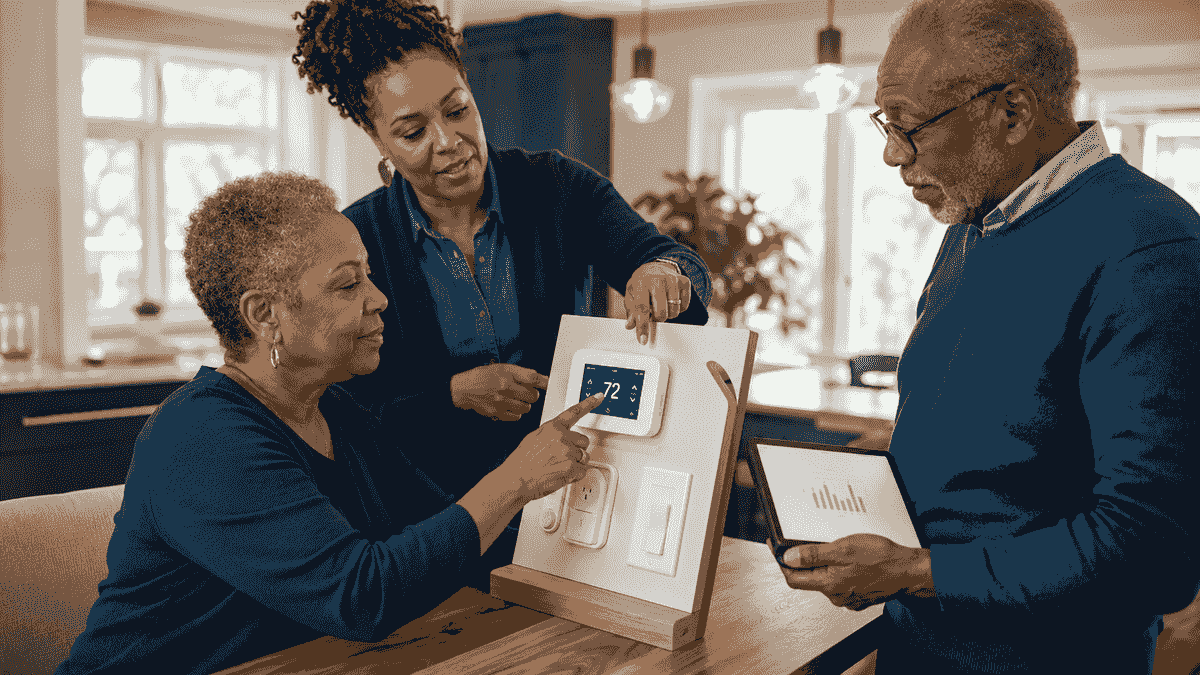
    Older adults learning about household energy use through a hands-on thermostat demonstration.

    Energy Education and Consumer Awareness

    Making energy information easier to understand and helping people evaluate available options with greater confidence.

    Working-age resident and community navigator reviewing energy resources together on a laptop.

    Energy-Related Resource Navigation

    Helping community members identify relevant resources and understand how to access available support.

    Multigenerational residents exchanging information at an outdoor community resource gathering.

    Trusted Community Outreach

    We believe that strong communities are built on active participation and belonging. Our programs foster collaboration among diverse groups to address local needs, ensuring that every voice is heard and valued in the decision-making process.
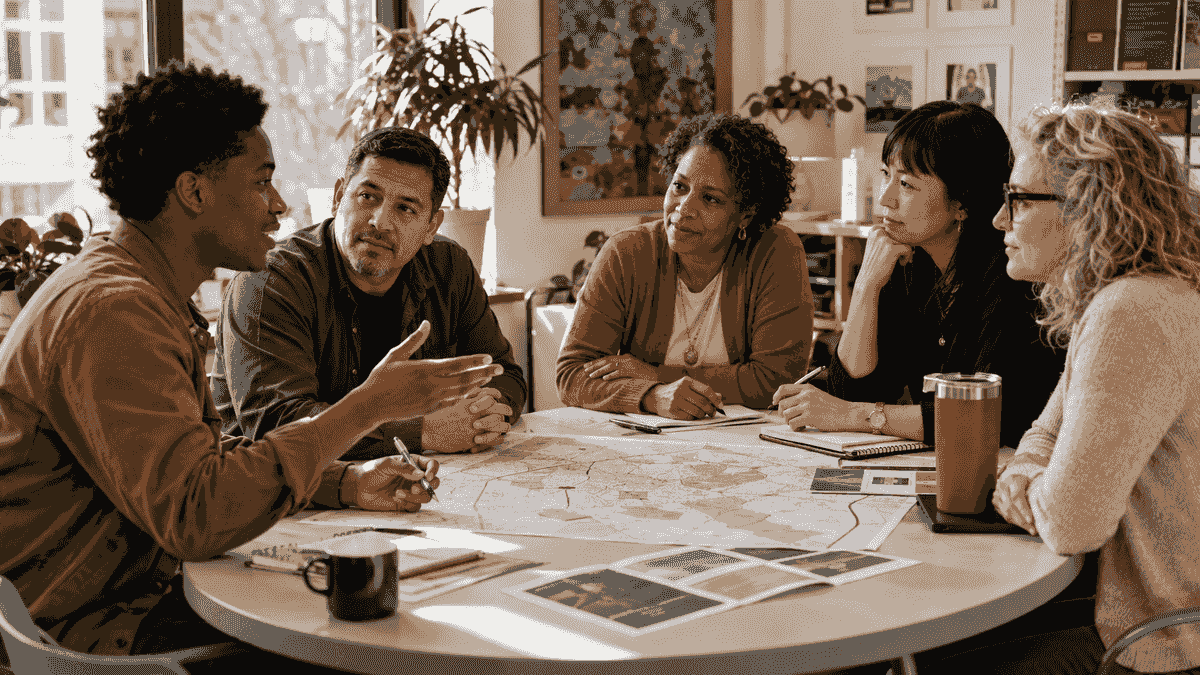
    Resident leader guiding a collaborative discussion with community and institutional partners.

    Partnership Coordination

    Strengthening connections among residents, community organizations, housing communities, public agencies, service providers, and energy-sector partners.
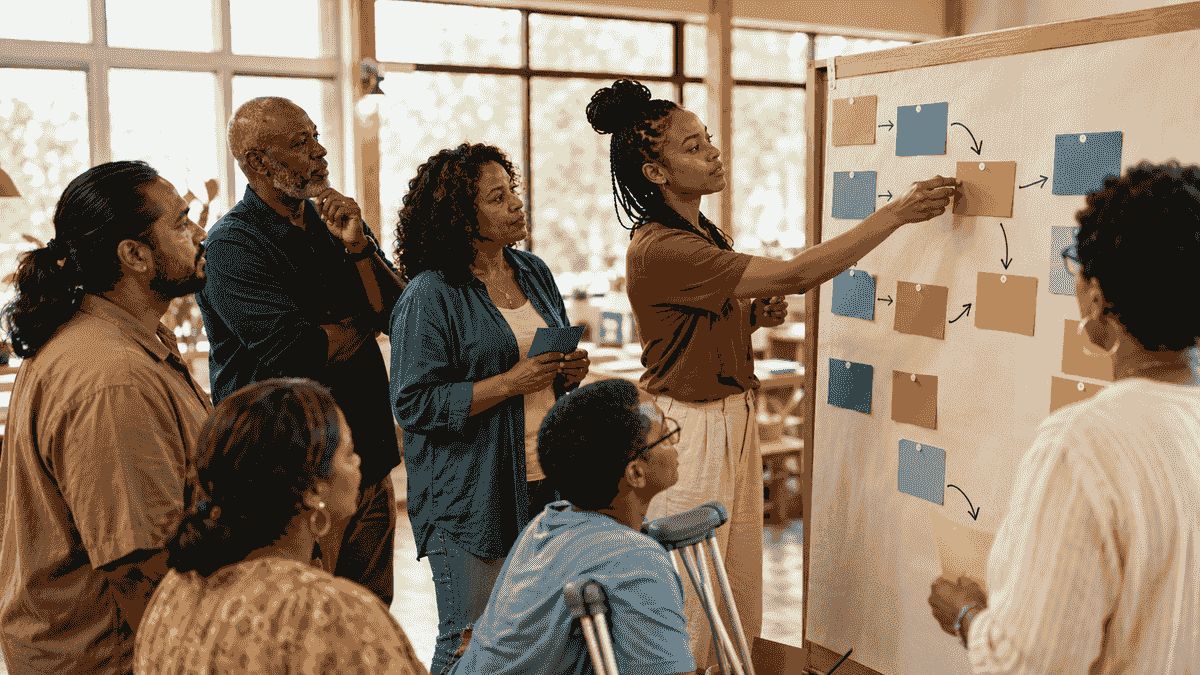
    Community members mapping access barriers and opportunities during a collaborative learning session.

    Access Barriers and Systems Learning

    Identifying recurring questions, process challenges, and information gaps, then using those insights to support more accessible programs and practices.
  • Informed Choice Is Essential

    People deserve clear information before deciding whether an energy program, resource, or service is right for them.

    CFR: Energy helps people understand what is being offered, consider the factors that matter to their circumstances, and identify questions they may want to ask.

    The purpose is not to make decisions for people. It is to strengthen their ability to make informed decisions for themselves.

  • What This Work Can Strengthen

    CFR: Energy is designed to contribute to:

    • Increased access to clear and reliable energy information
    • Greater confidence in making informed energy decisions
    • Improved awareness of relevant programs and resources
    • Stronger coordination among community-serving partners
    • Better understanding of recurring access barriers
    • More accessible and responsive programs and practices
  • Who This Work Can Support

    CFR: Energy can support:

    • Residents and community groups
    • Older adults and households living on fixed or limited incomes
    • Senior and affordable housing communities
    • Community-based organizations
    • Housing providers and resident-serving partners
    • Pubic agencies, funders, and energy-sector partners seeking more accessible and community-responsive approaches

    The work may begin with residents trying to understand their energy options, a housing community seeking trusted educational support, or an institution trying to make an existing program easier to access.

  • Access Is More Than Availability

    A resource does not become accessible simply because it exists.

    People must be able to find it, understand it, determine whether it fits their circumstances, and navigate the process required to use it. Institutions must also be willing to learn from the people who encounter barriers along the way.

    CFR: Energy connects both sides of that responsibility.

    Clear information for the decisions people face now. Community insight for the energy systems that must work better.

  • Begin With What You're Seeing

    You may be responding to a community need, exploring a partnership, or working to make information and resources easier to understand and access.

    You do not need a fully developed project or formal proposal. Tell us what you are seeing and what you hope to make possible.