Systems We Work Within
Long-term outcomes are shaped across interconnected systems that influence how people experience belonging, opportunity, wellbeing, participation, and access over time.
The Overflowww works across education, workforce, community wellbeing, institutional leadership, environmental conditions, and implementation systems because these environments do not operate independently in practice.
Our work focuses on strengthening the conditions, relationships, and accountability structures that shape how systems function across daily life.
Education Systems
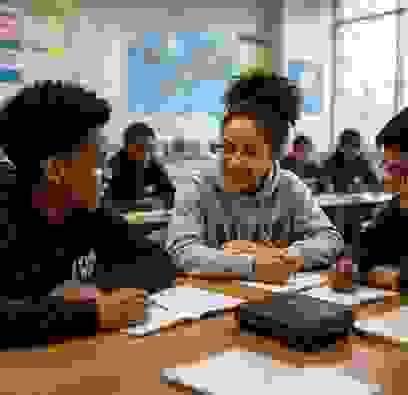
Educational outcomes are shaped not only through curriculum and instruction, but also through belonging, implementation practices, relationships, participation, and long-term access to opportunity.
The Overflowww works alongside schools, educators, youth-serving organizations, and community partners to strengthen learning environments, student wellbeing, and long-term educational opportunity.
Areas of Focus:
- Student belonging and engagement
- Learning environments and persistence
- Community partnership
- Educational opportunity pathways
- Implementation support and accountability
Community Well-Being & Resilience
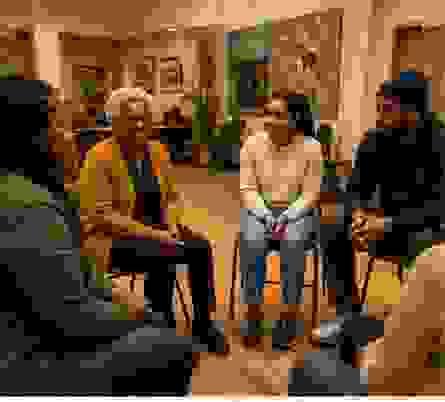
Community wellbeing and resilience are shaped through relationships, participation, emotional wellbeing, belonging, safety, and the broader conditions that influence how people experience support, opportunity, and stability over time.
Our work focuses on strengthening emotional wellbeing, resilience, healing-centered engagement, and long-term community participation through collaborative and community-rooted approaches.
Areas of Focus:
- Emotional wellbeing and resilience
- Community engagement and belonging
- Healing-centered collaboration
- Peer connection and participation
- Long-term community wellbeing
Workforce & Opportunity
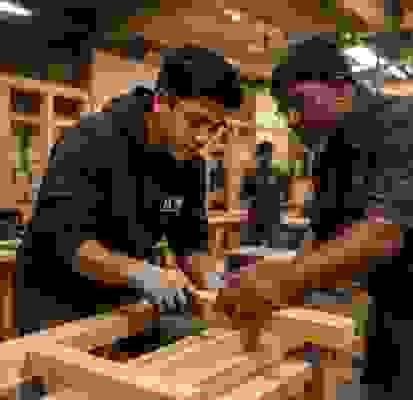
Workforce systems influence economic mobility, participation, leadership access, and long-term opportunity across communities.
The Overflowww supports workforce and leadership initiatives that strengthen access, participation, systems navigation, and long-term pathway sustainability.
Areas of Focus:
- Workforce pathways and participation
- Leadership development
- Economic mobility
- Career readiness and systems navigation
- Community-centered workforce partnerships
INSTITUTIONAL LEADERSHIP & IMPLEMENTATION
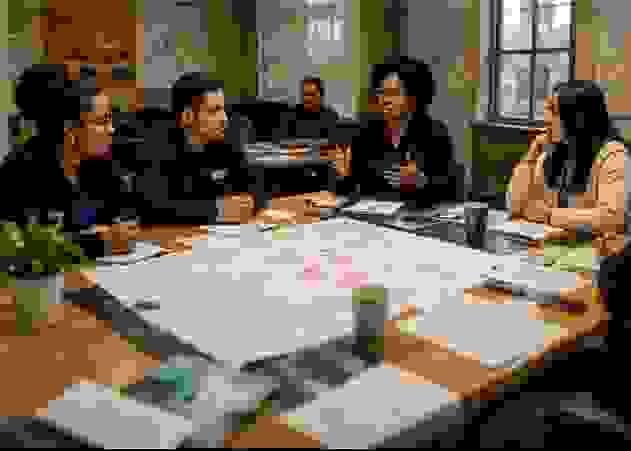
Long-term change depends on how institutions operationalize accountability, participation, implementation, and decision-making over time.
Our work supports organizations and cross-sector partnerships in strengthening operational alignment, implementation practices, community-informed engagement, and sustainable accountability structures.
Areas of Focus:
- Operational alingment
- Institutional accountability
- Participatory implementation
- Cross-sector collaboration
- Long-term sustainability practices
Community Infrastructure
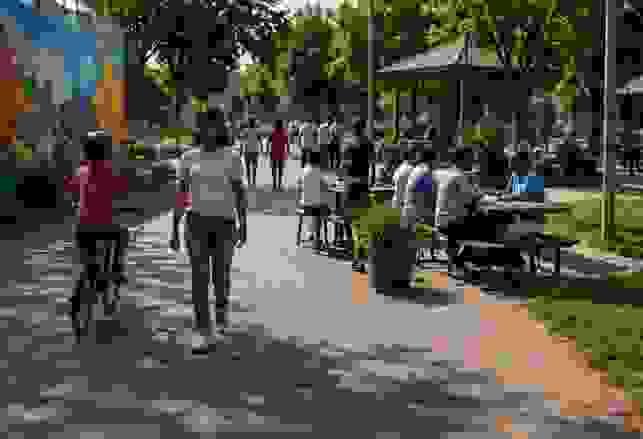
Community infrastructure shapes how people experience access, participation, wellbeing, resilience, safety, and opportunity across daily life.
The Overflowww works across community infrastructure environments to strengthen implementation alignment, community resilience, institutional responsiveness, and the conditions that support belonging and wellbeing.
Areas of Focus:
- Community resilience and wellbeing
- Place-based implementation
- Institutional-community alignment
- Belonging and participation
- Long-term community conditions


