How We Apply the Model
Lasting change requires more than a framework. It requires a disciplined approach to implementation.
The Overflowww applies the 3W Impact Model through three guiding principles that shape how we engage institutions, communities, and systems.
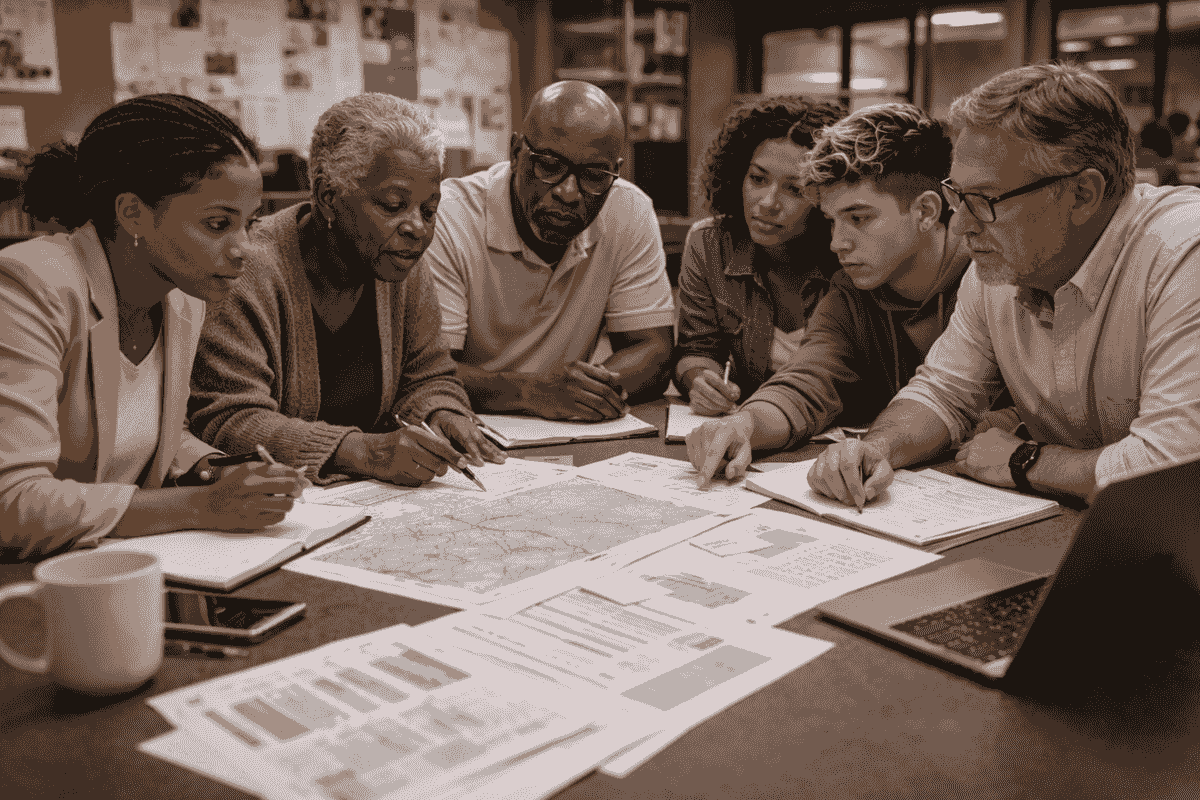
Start With Structure
We examine how power is organized, how policy is applied, and how incentives shape behavior before proposing solutions.

Center Lived Experience
Community knowledge shapes decisions and accountability. It carries authority, not symbolism.
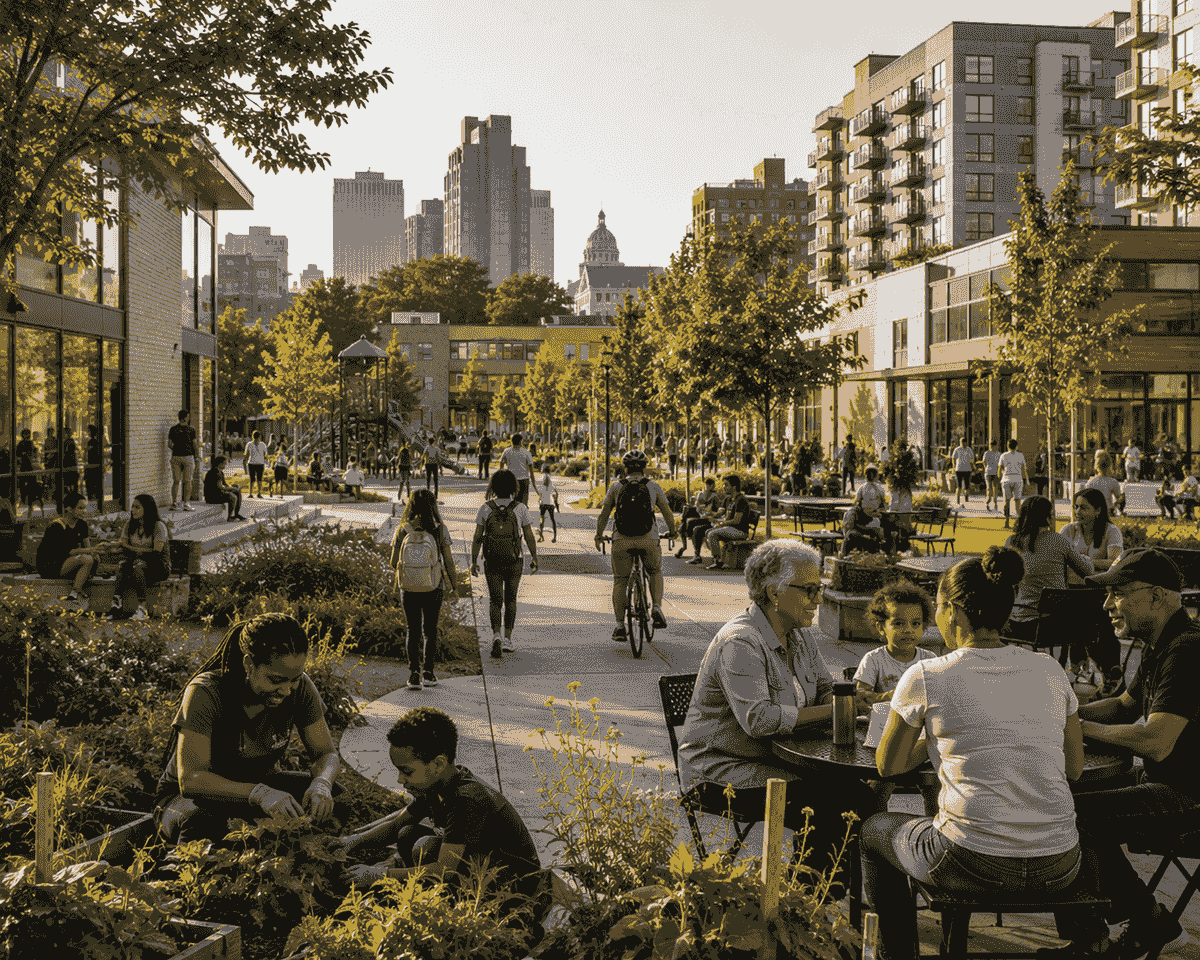
Design For Durability
We build structures that remain accountable through leadership transitions, funding shifts, and changing conditions.
The Three Dimensions of the Model
The 3W Impact Model is designed to strengthen institutions, expand community authority, and activate the systems that shape long-term outcomes. Together, these dimensions create the conditions for accountability, implementation, and lasting change.

W1: Equip Institutions
Strengthen institutional accountability and operational alignment.
Long-term outcomes are shaped by how institutions make decisions, allocate resources, define accountability, and respond to community conditions.
This dimension focuses on strengthening governance, operational clarity, implementation practices, and long-term institutional responsibility.
Focus Areas:
- Institutional accountability
- Governance and implementation alignment
- Operational clarity
- Community-informed decision-making
- Long-term sustainability

W2: Community Authority
Expand participation and community-rooted leadership
Communities most impacted by institutional decisions should help shape priorities, implementation, and accountability processes.
This dimension focuses on strengthening participation, lived-experience-informed leadership, and long-term community engagement.
Focus Areas:
- Community participation
- Leadership development
- Participatory engagement
- Lived-experience-informed implementation
- Relationship-centered collaboration
W3: Systemic Change in Motion
Redesign how opportunity, accountability, and resources move across systems.
Long-term change requires more than isolated programs or temporary interventions. It requires implementation structures capable of producing sustainable outcomes over time.
This dimension focuses on strengthening cross-sector alignment, implementation capacity, and long-term structural conditions that influence wellbeing and opportunity.
Focus Areas:
- Cross-sector collaboration
- Long-term implementation capacity
- Sustainable systems alignment
- Community conditions and wellbeing
- Measurable institutional outcomes